Autumn Special Exhibition
September 26 - December 6
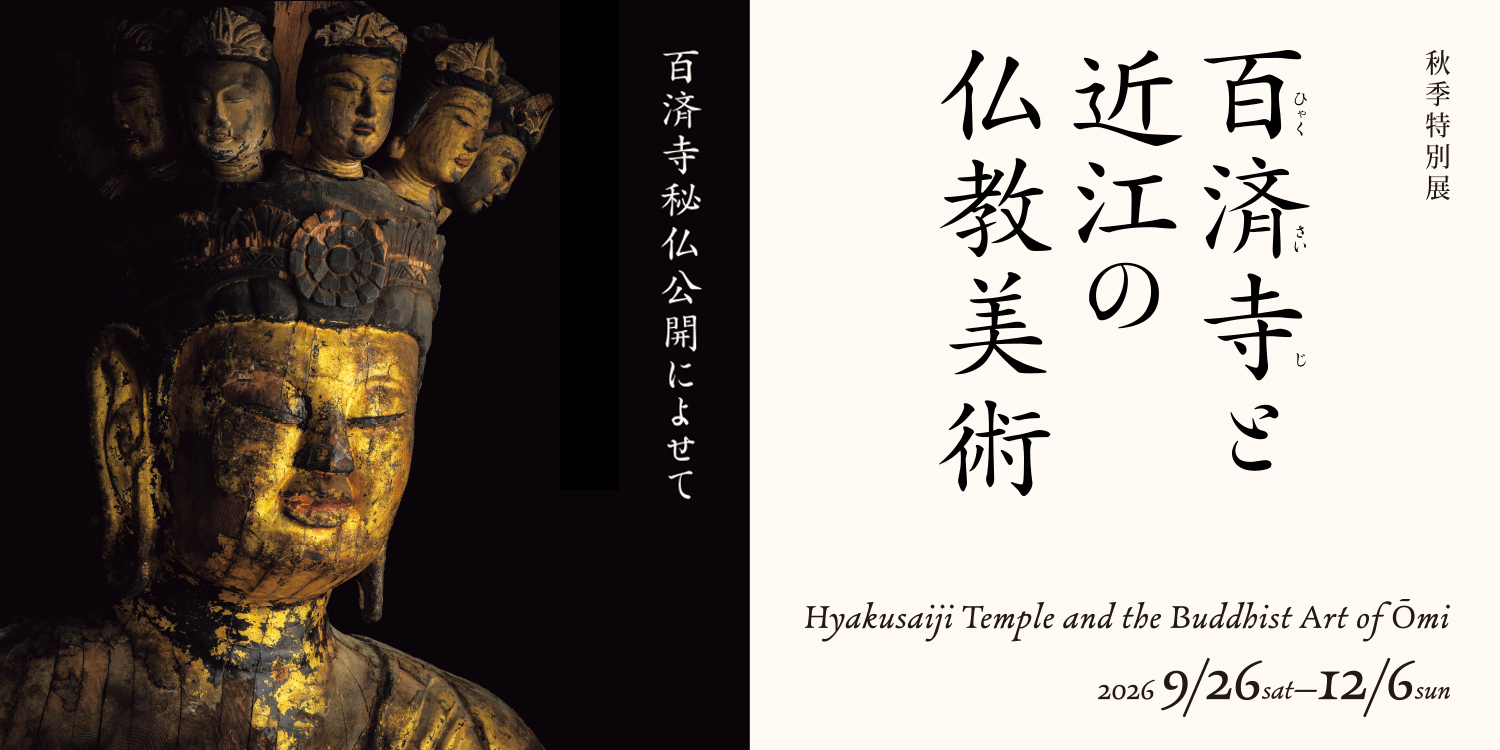
Hyakusaiji Temple and the Buddhist Art of Ōmi
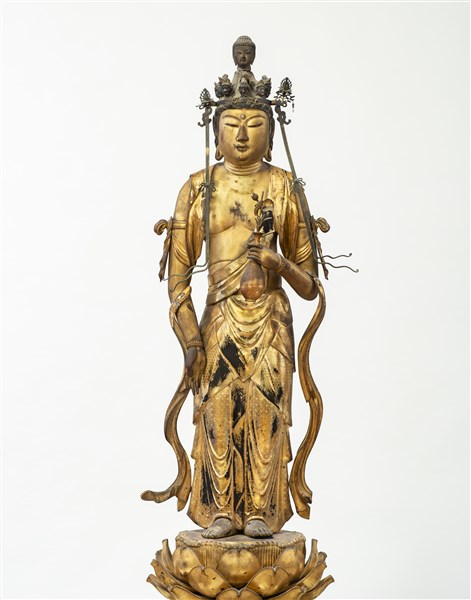
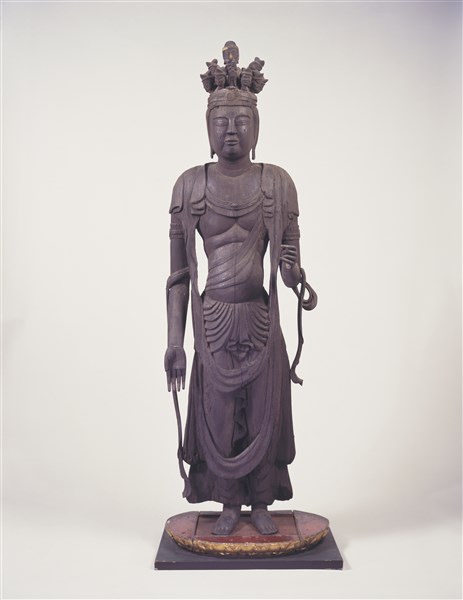
Located in Higashi-Ōmi City, Shiga Prefecture, Hyakusai-ji is one of the three great temples of Kōtō, the region along the eastern shores of Lake Biwa. According to tradition, this ancient temple was founded by Prince Shōtoku (574–622). Enshrined in its Main Hall is the temple’s principal image of devotion, a standing Eleven-Headed Kannon, also traditionally
associated with the prince. Despite repeated fires and periods of religious persecution, the temple has continued to transmit the light of Buddhism to this day. Revered as a highly sacred hidden Buddha (hibutsu), this Kannon long remained veiled in mystery. Recent research, however, has led to its designation as an Important Cultural Property, dating it to the latter half of the Nara period (710–794), followed by comprehensive conservation treatment. On the occasion of restoration work on the Main Hall, this sacred image will be exhibited outside the temple for the first time at MIHO MUSEUM.
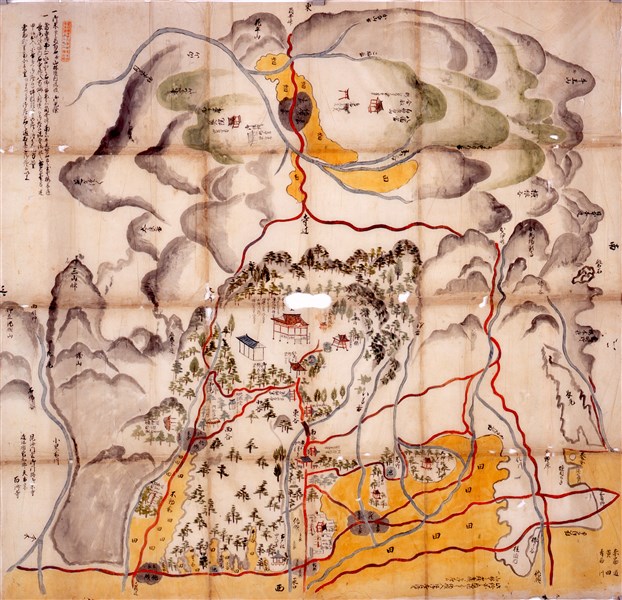
Many temple ruins from the Hakuhō period (645–710) have been identified throughout Shiga Prefecture, and in HigashiŌmi City, distinctive features such as roof tiles known as the “Kōtō style” have also been discovered. Hyakusai-ji is believed to have been founded by the immigrant Eichi Hata clan, who resided in the Echi district of Kōtō. The temple flourished as a Tendai institution connected with Mount Hiei during the late Heian period (794–1185), and in the medieval era developed as a sacred monastic complex surrounded by numerous subtemples. The Christian missionary Luís Fróis (1532–97) described it as a “paradise on earth,” evoking its splendor at that time. Tragically, much of its grandeur was reduced to ashes in a conflict with the warlord Oda Nobunaga (1534–82). The present Main Hall (now designated Important Cultural Property) and other structures on the grounds were rebuilt in the Edo period (1615–1868).
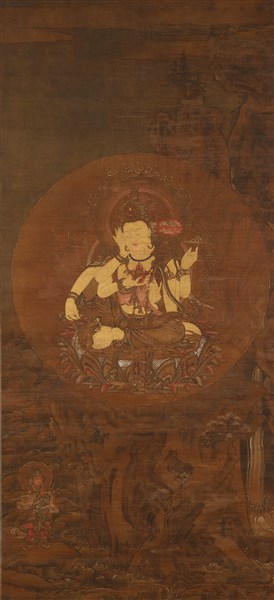
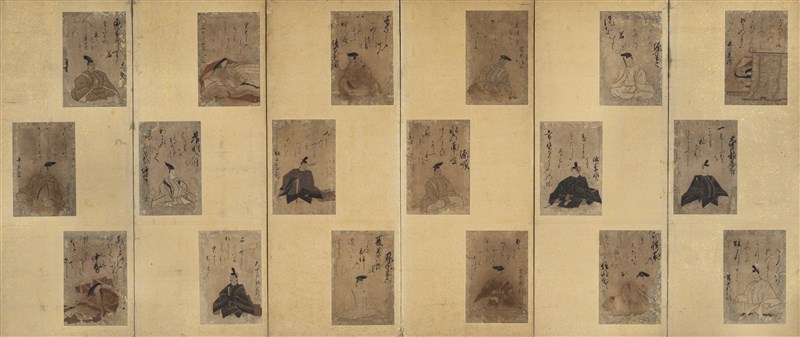
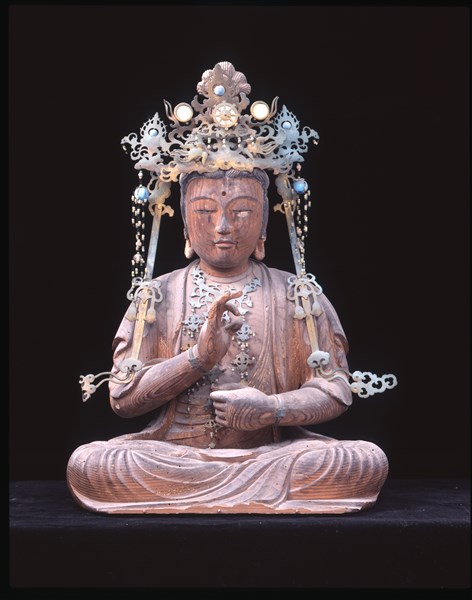
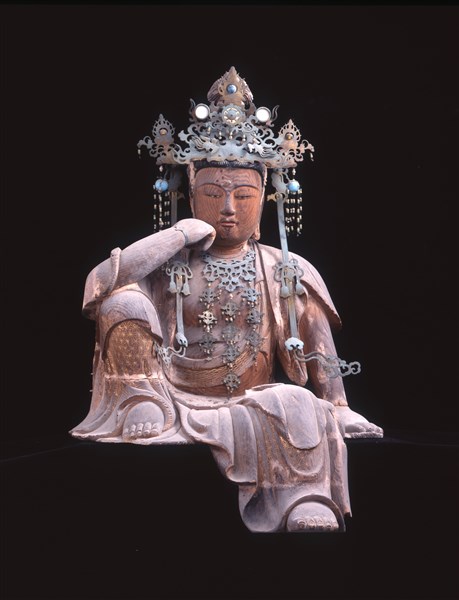
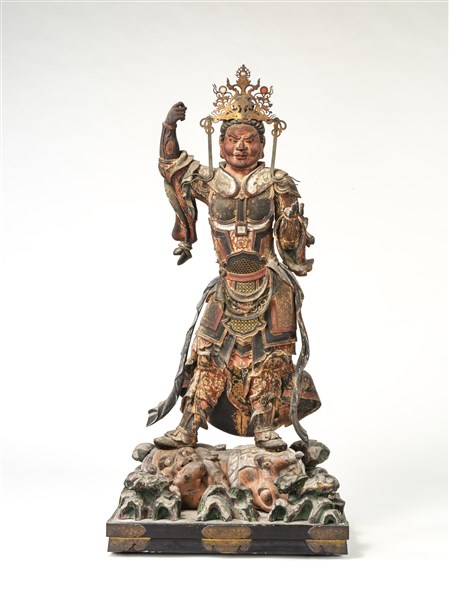
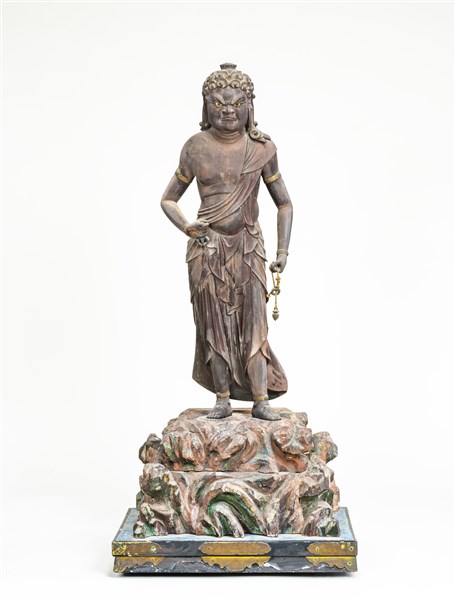
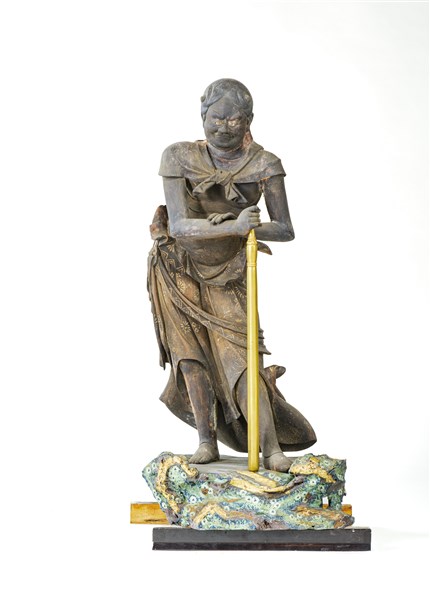
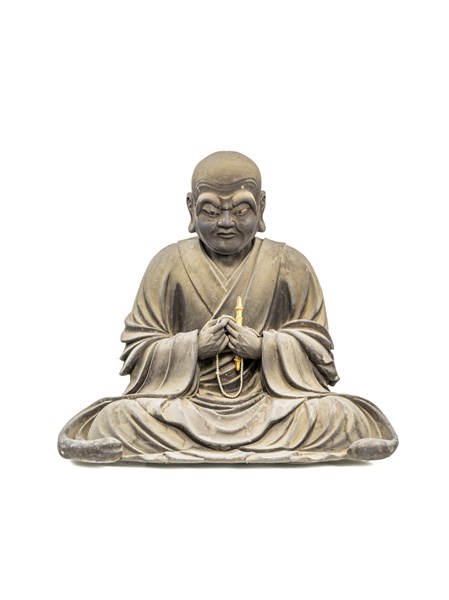
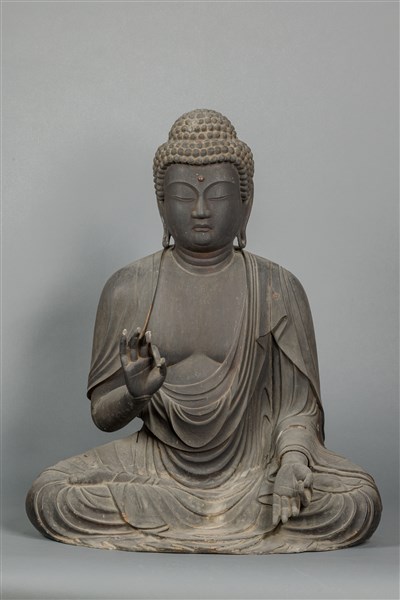
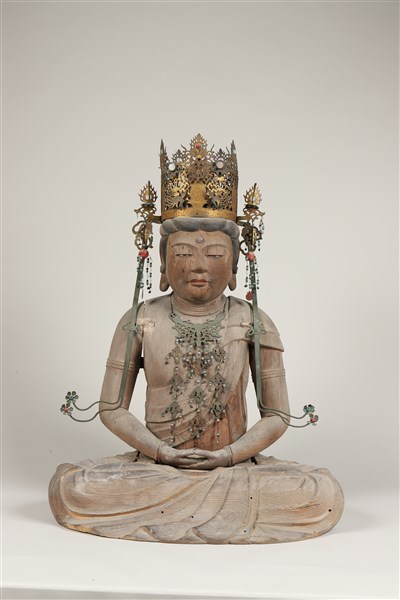
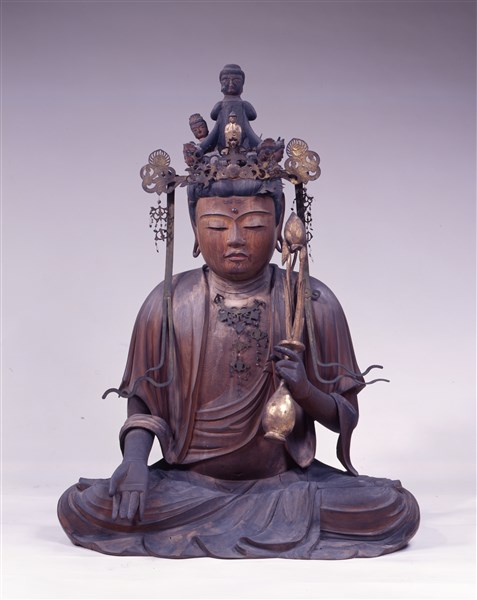
In this exhibition, we bring together outstanding cultural properties, centered on the Buddhist sculptures and paintings transmitted at Hyakusai-ji, alongside gilt bronze and wooden Buddhist images from across Shiga Prefecture and paintings thought to be associated with the Tendai sect. Through these works, this exhibition explores the Buddhist art of Shiga centered on this historic temple.
Information
- Exhibition Term
- September 26, 2026 - December 6, 2026
- Open Hours
- 10:00 am to 5:00 pm (last entry: 4:00 pm)
- Closed Days
- Every Monday (or next business day if Monday is a national holiday)
- Admission Fees
- [Adults] 1,300 yen [High school/university students] 1,100 yen [Elementary/junior high school students] Free
Prices include access to all exhibits.
- Venue
- North Wing
- Audio Guides
- There
※Objects are subject to change during exhibition period.
Exhibition Highlights

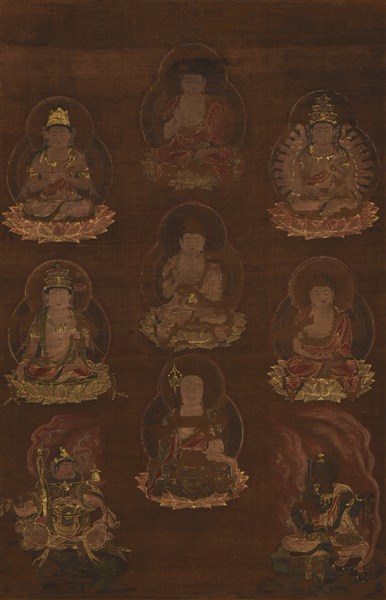
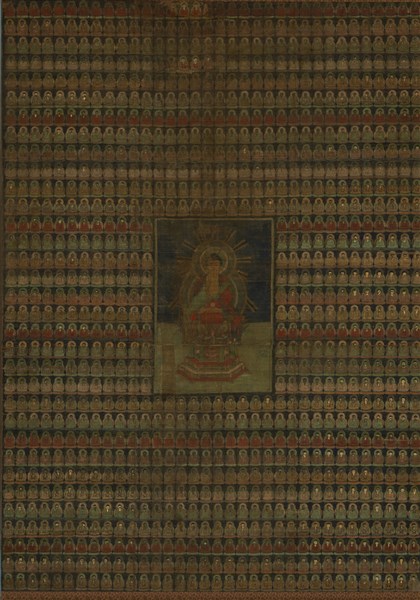
Sannō Deity Mandala Kamakura period
13th century Hyakusaiji Temple

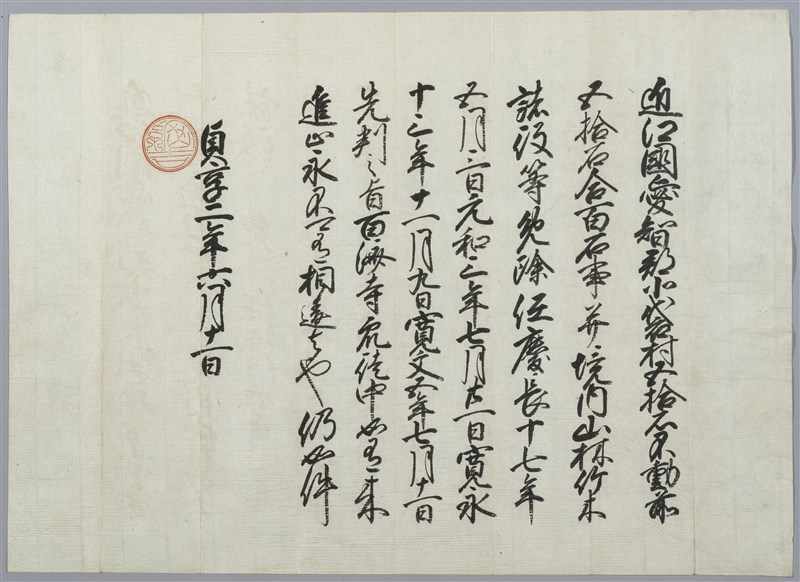
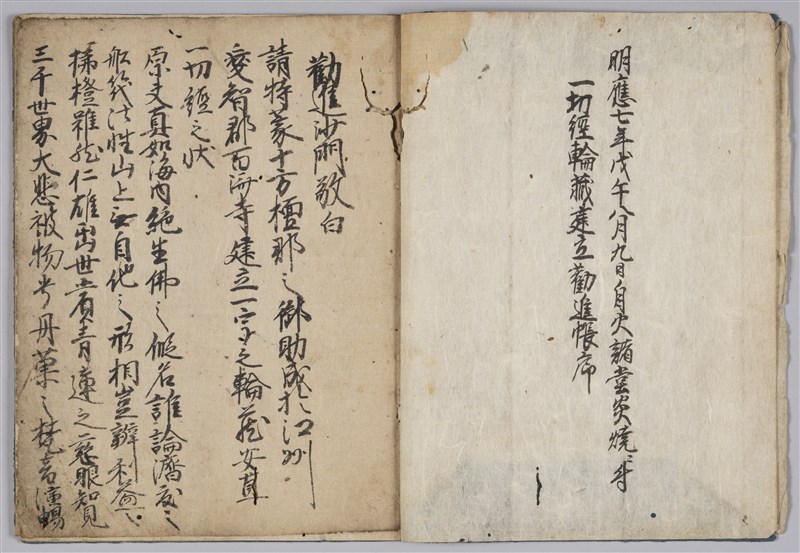
Oda Nobunaga Red-Seal Document
Azuchi-Momoyama period, 1568 (Eiroku 11)

Seated Shō Kannon
Muromachi period, 1498 (Meiō 7)

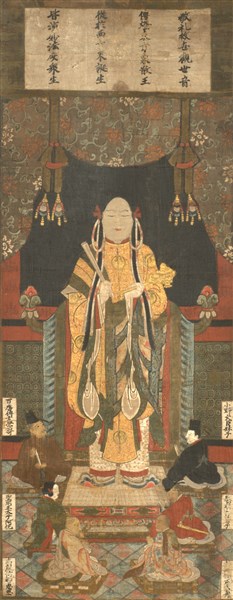
Prince Shōtoku with Six Attendants
Edo period, 17th century
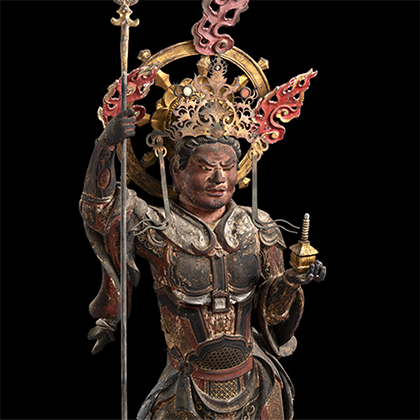
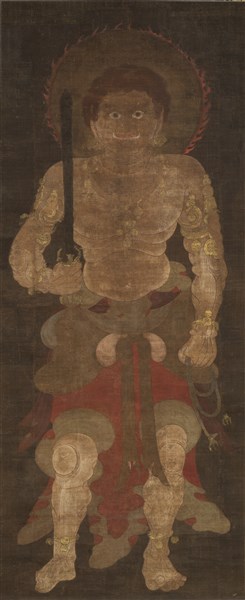
Standing Bishamonten
Muromachi period, 1512 (Eishō 9)
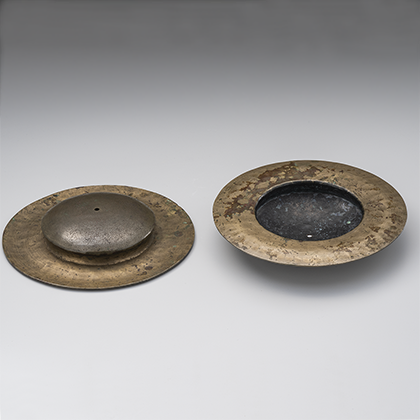
Basshi Buddhist Cymbals
Kamakura period, 1256 (Kenchō 8)
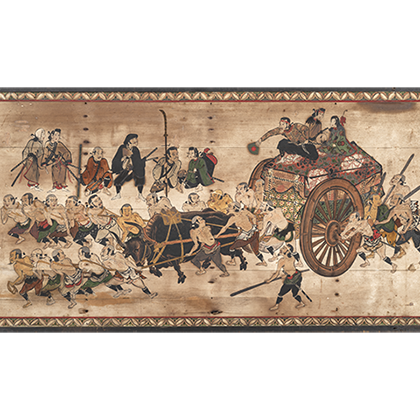
Ema Votive Plaque Depicting Stone Hauling
Azuchi-Momoyama–Edo period, 16th–17th century
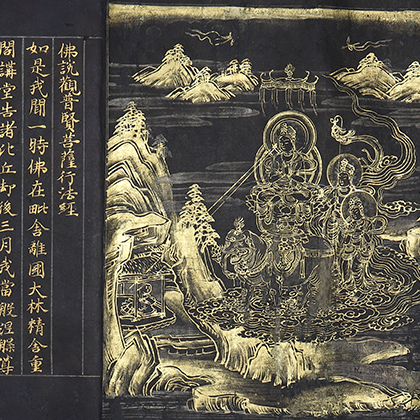
Lotus Sutra
Heian period, 12th century
Exhibition Galleries
Autumn Special Exhibition
Hyakusaiji Temple and the Buddhist Art of Ōmi
Exhibits
North Wing
Autumn Special Exhibition
Hyakusaiji Temple and the Buddhist Art of Ōmi
Please click here for the list of works.
Ⅰ The Ancient Temples of Gamōno Ⅱ Gilt-Bronze Buddhist Statues of Ancient Ōmi
-
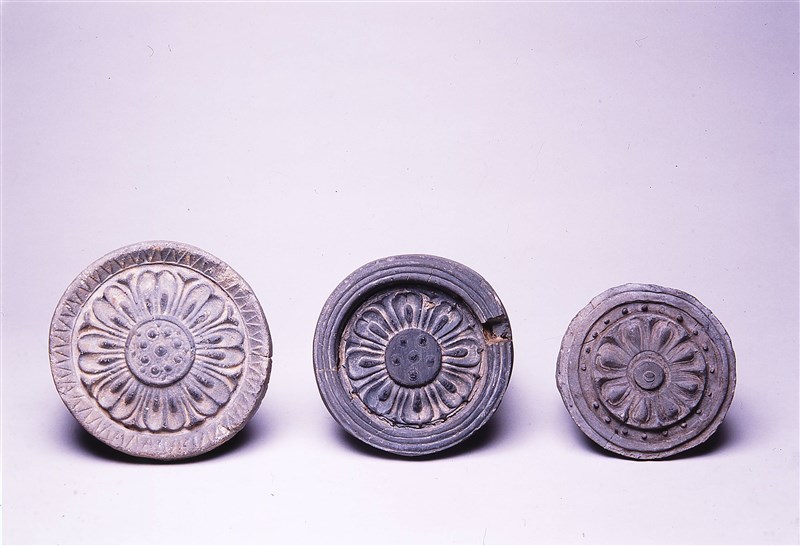
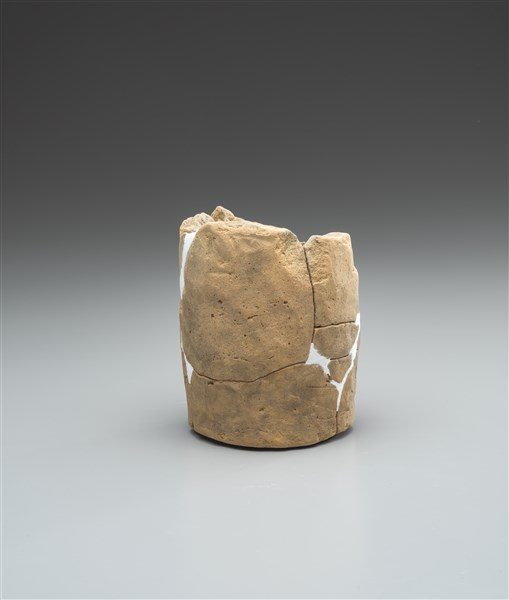
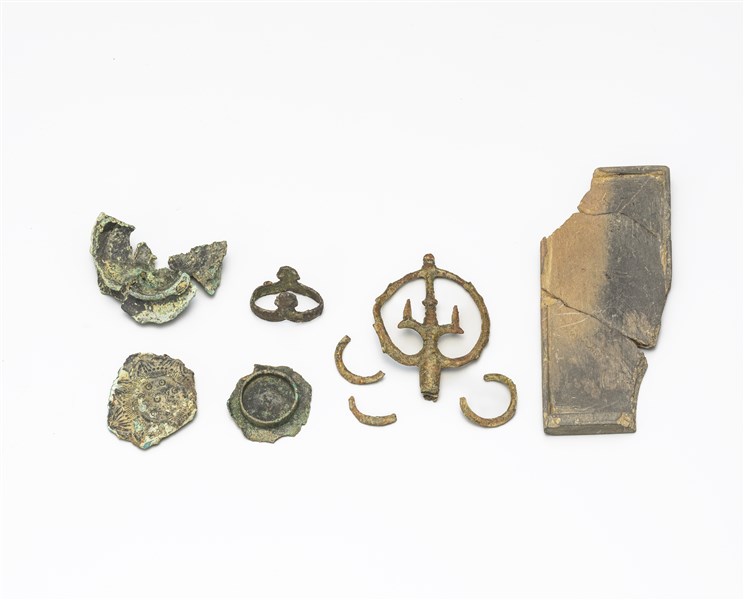
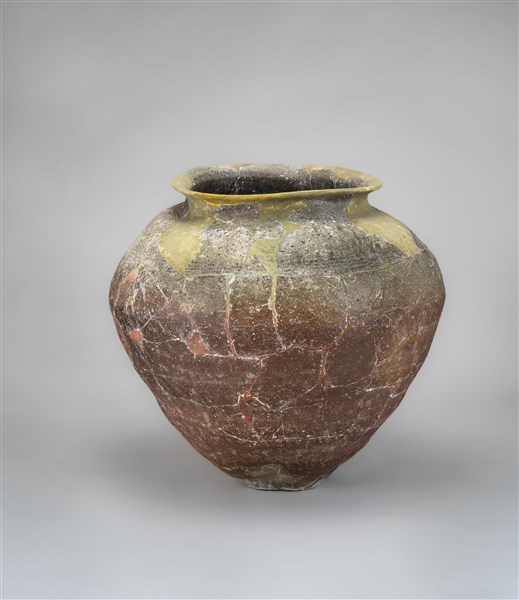
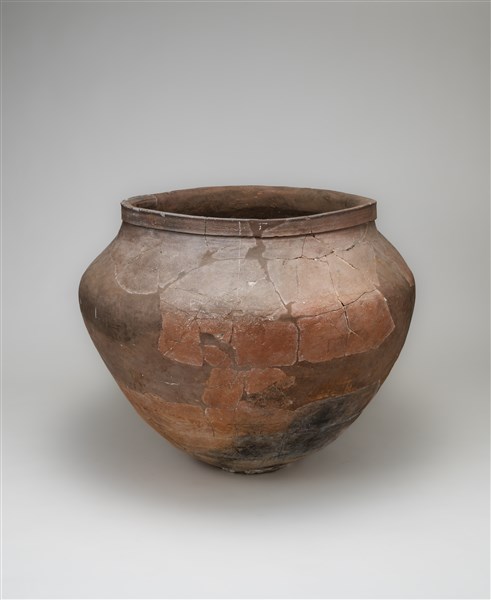
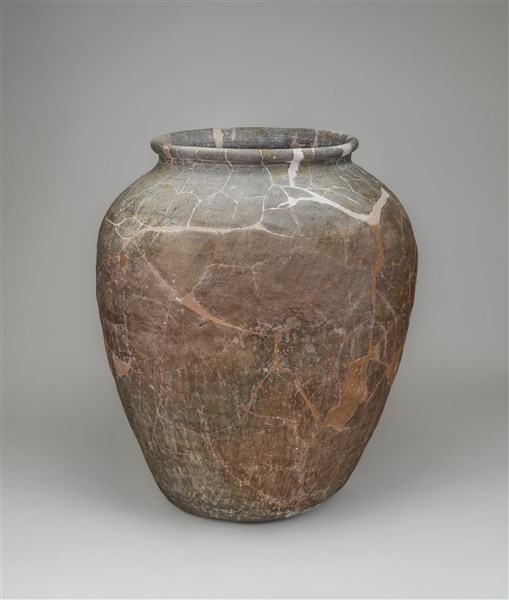
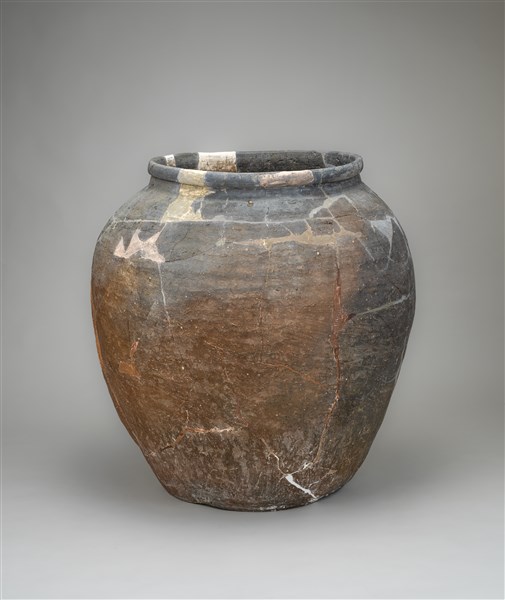
Artifacts Excavated at the Yukinodera Temple Site
-
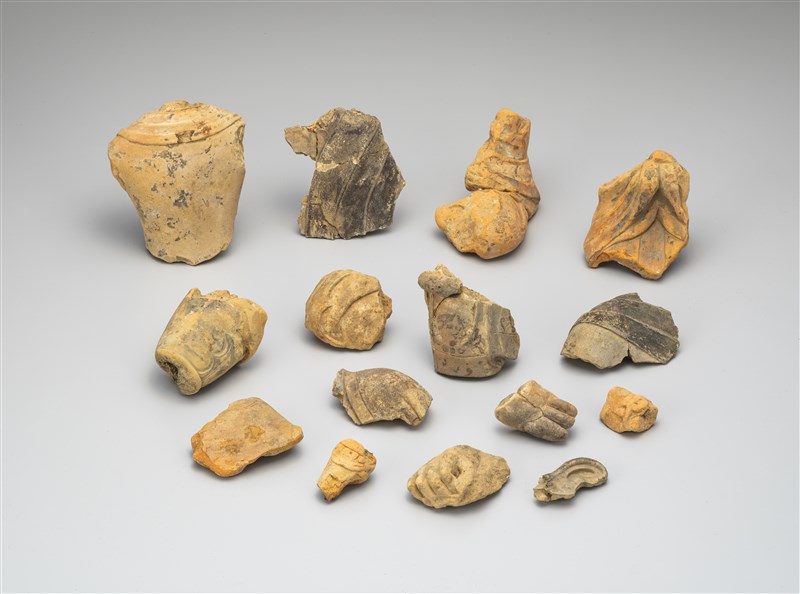
Artifacts Excavated at the Yukinodera Temple Site: Fragments of Clay Figurines
-
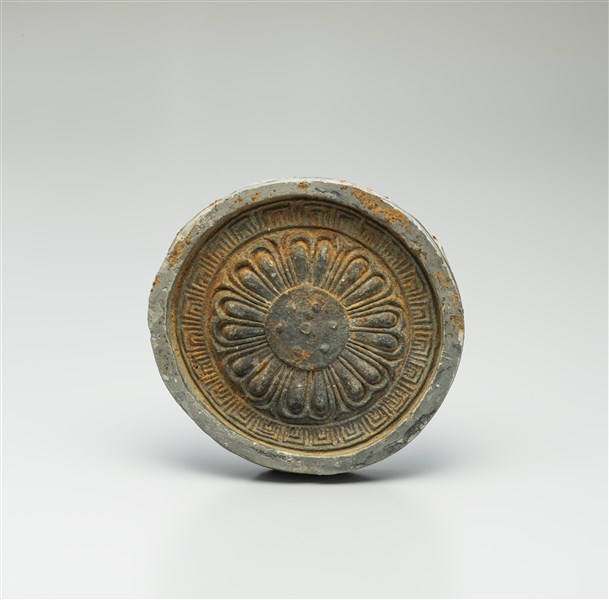
Artifacts Excavated at the Miyai Temple Site
-
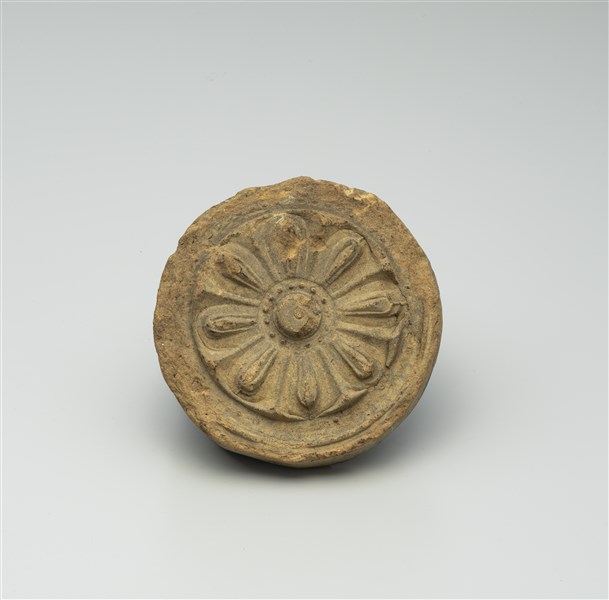
Round Eave Tile from the Kabata Temple Site
-
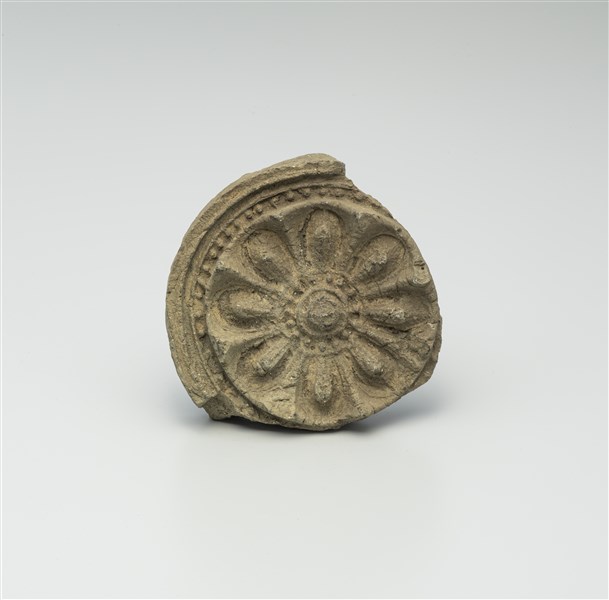
Round Eave Tile from the Nonome Temple Site
-
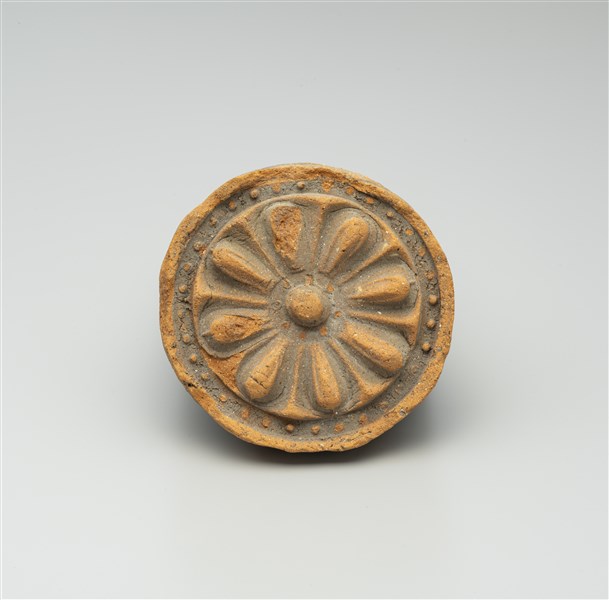
Artifacts Excavated at the Koyagi Temple Site
-
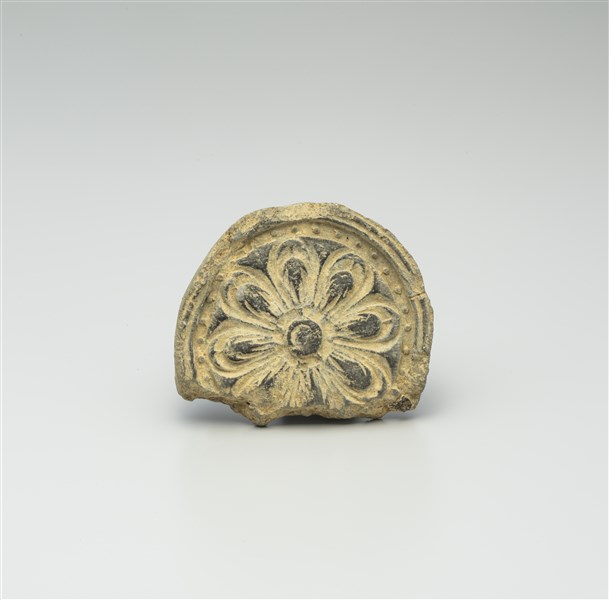
Artifacts Excavated at the Karuno Tōnotsuka Temple Site
-
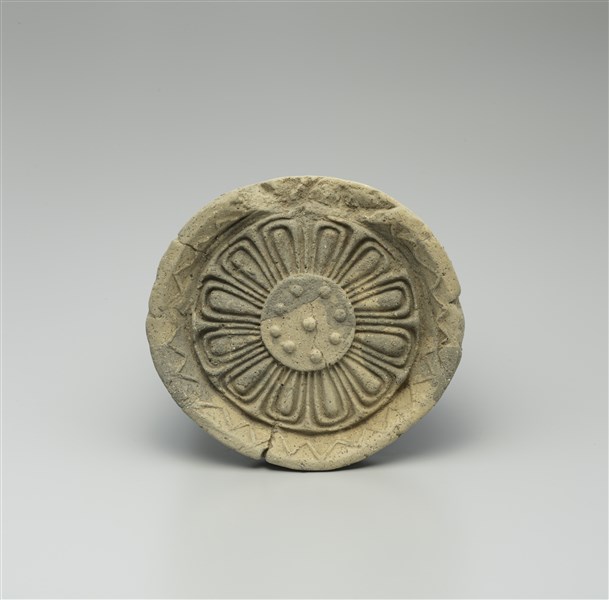
Artifacts Excavated at the Hōdōji Temple Site
-
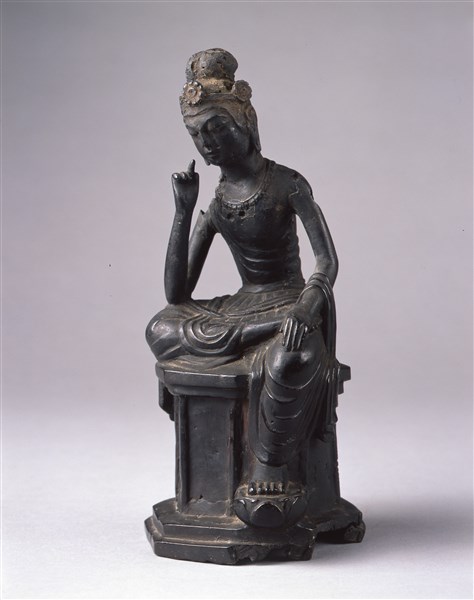
Seated Miroku Bosatsu with One Leg Pendent
-
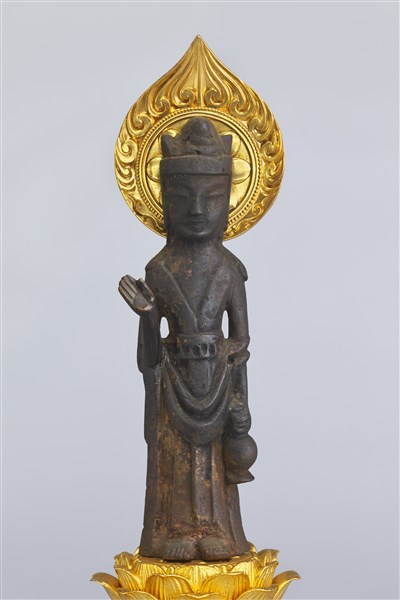
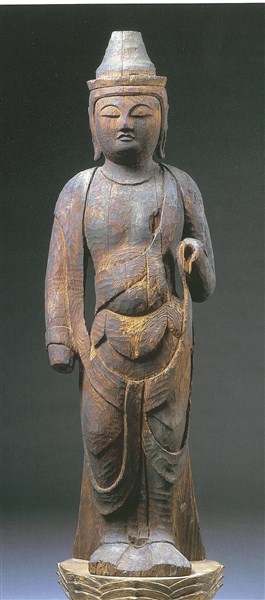
Standing Shō Kannon
-
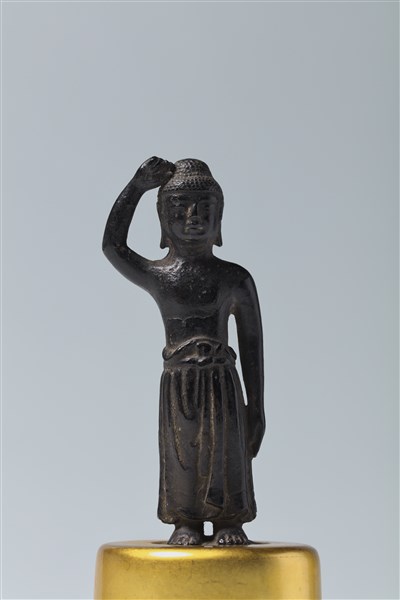
Standing Shakyamuni at Birth
-
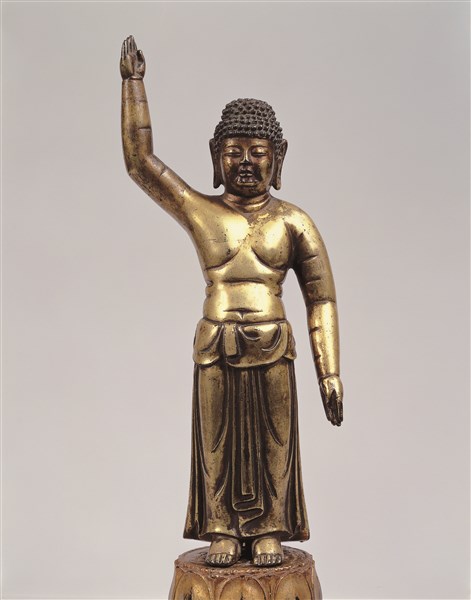
Standing Shakyamuni at Birth
-
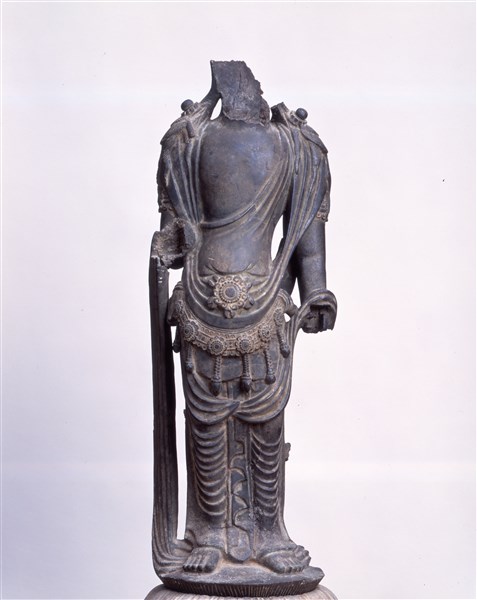
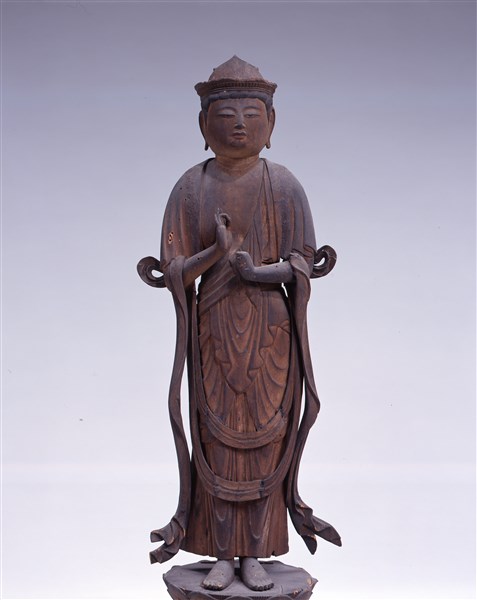
Standing Kanzeon Bosatsu
-
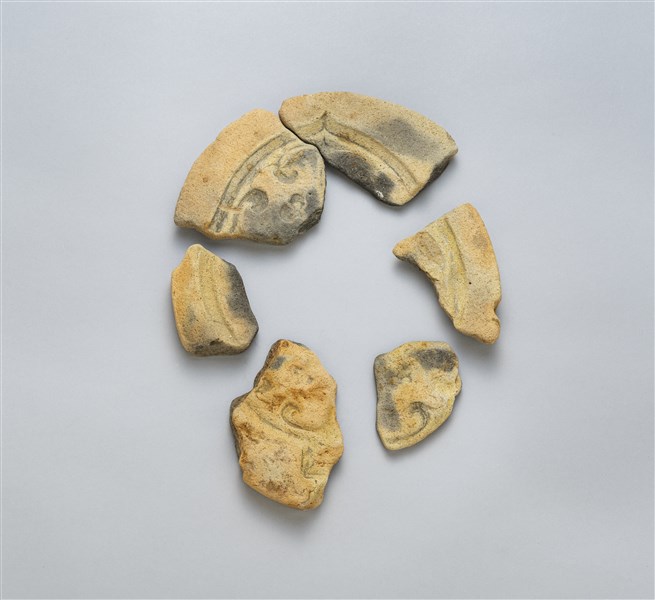
Fragments of a Halo Mold
Ⅲ Temple Founding and the Principal Image of Hyakusaiji Ⅳ Toward Affiliation with the Tendai School
-
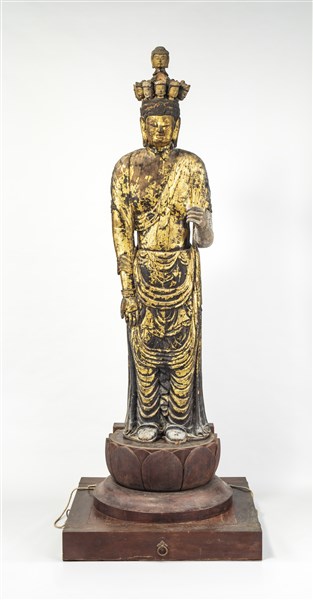
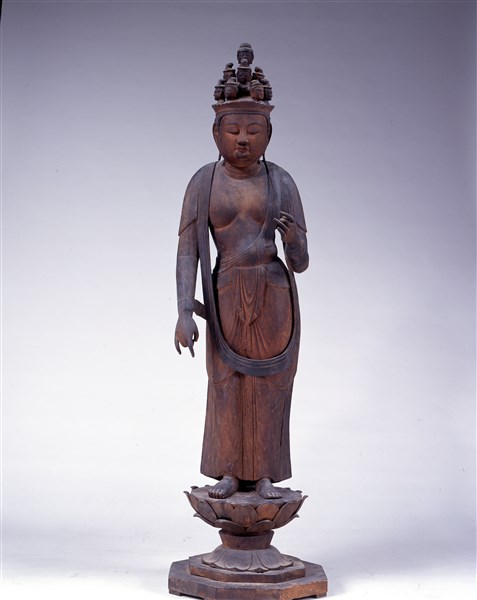
Standing Eleven-Headed Kannon
-
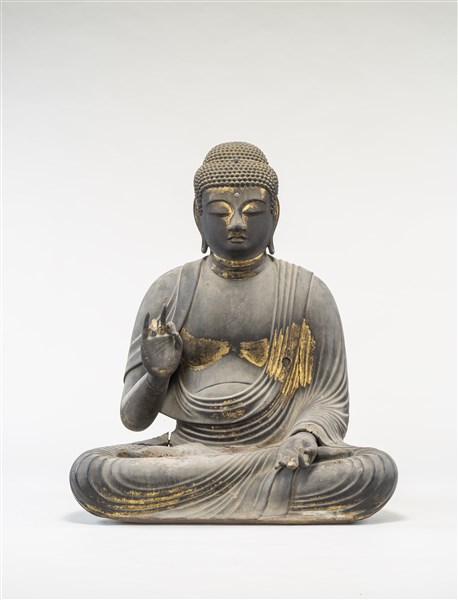
Seated Amida Nyorai
-

Lotus Sutra
-

Lotus Sutra
-

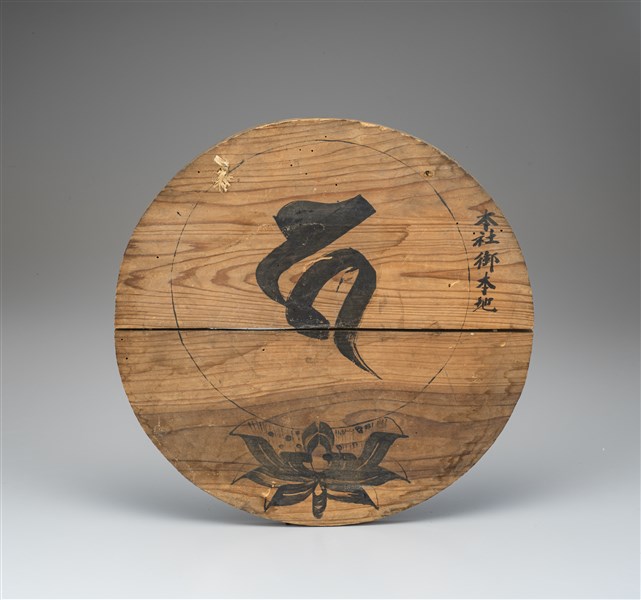
Box for the Lotus Sutra
-
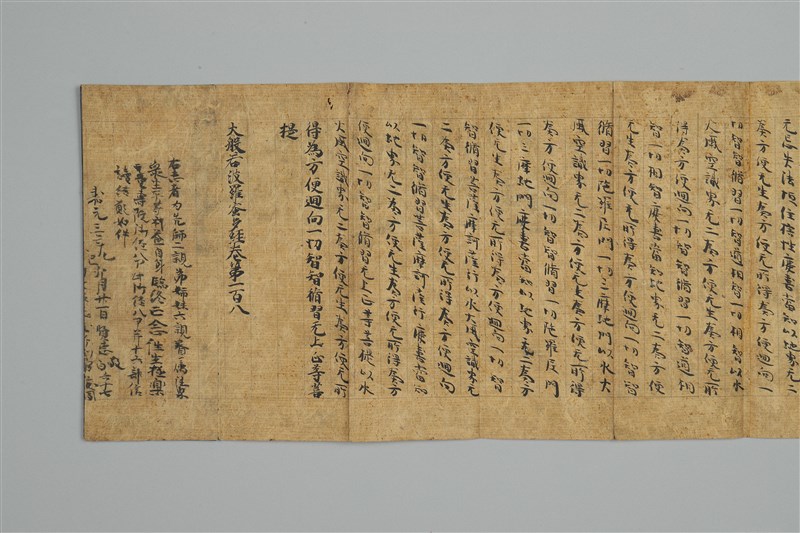
Great Perfection of Wisdom Sutra
-
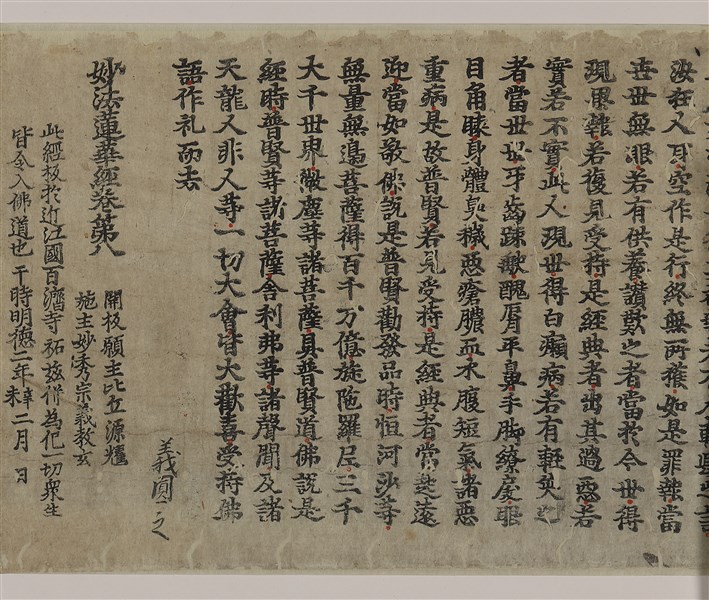
Printed Lotus Sutra (Hyakusaiji Edition)
-
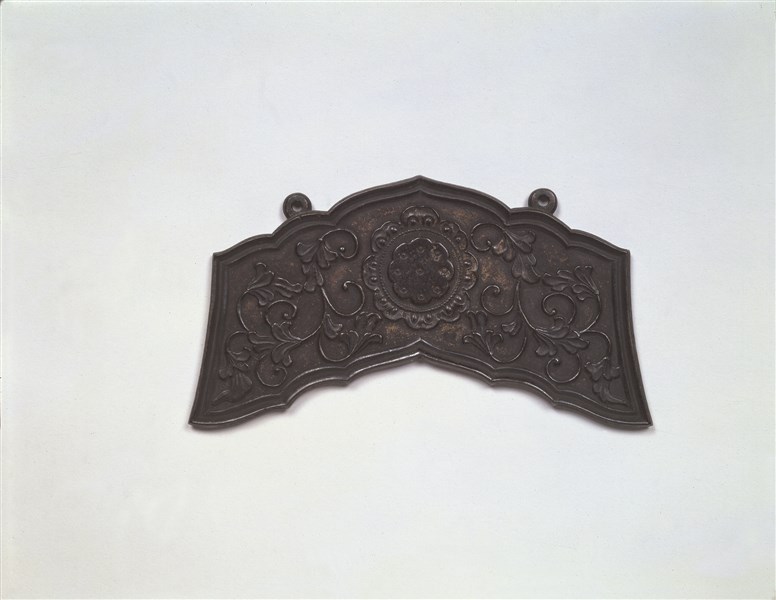
Kei Buddhist Gong with Karakusa Plant Scrolls
-
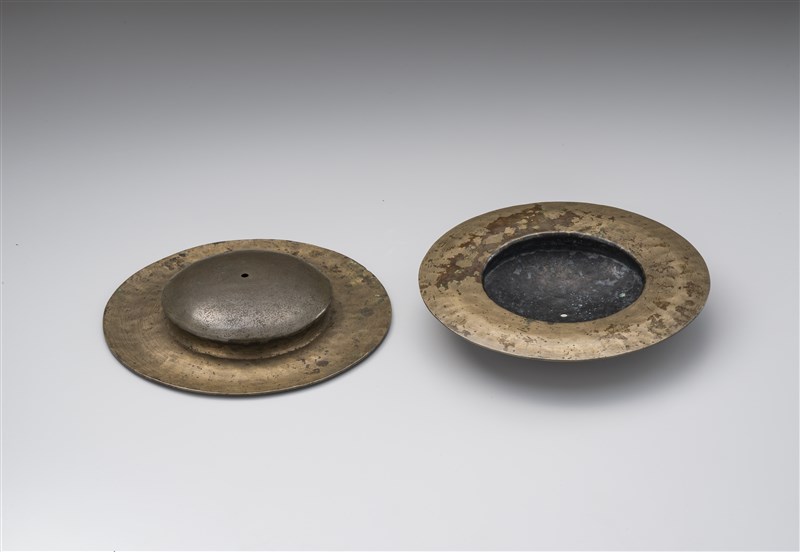
Basshi Buddhist Cymbals
-
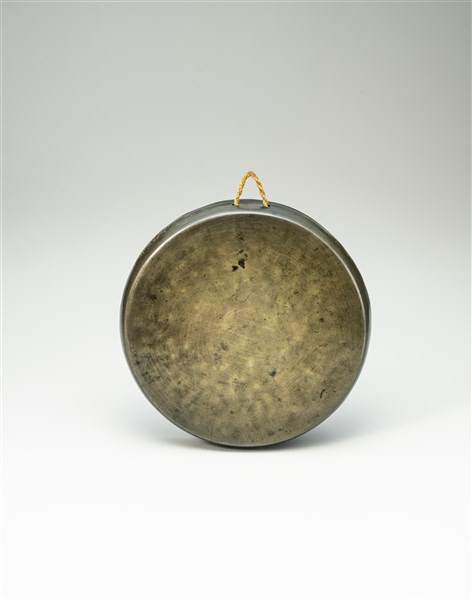
Dora Buddhist Gong
-

Kei Buddhist Gong with Peacock Design
-
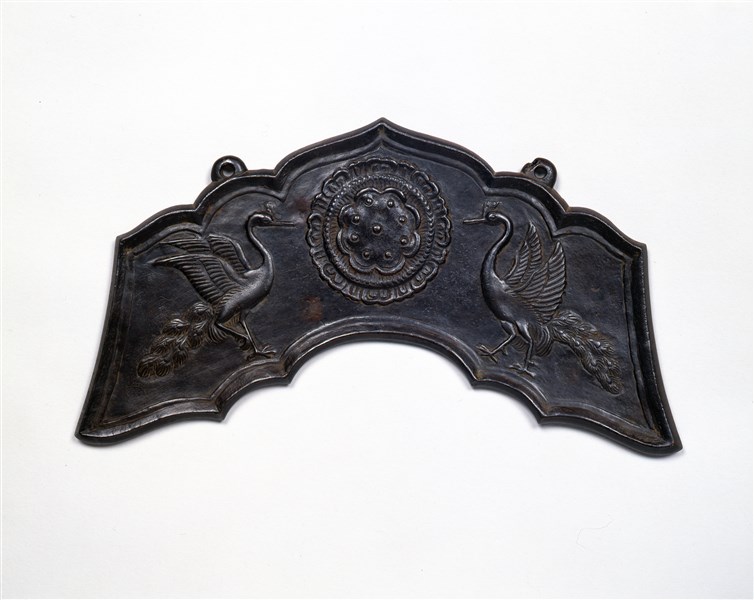
Kei Buddhist Gong with Peacock Design
-
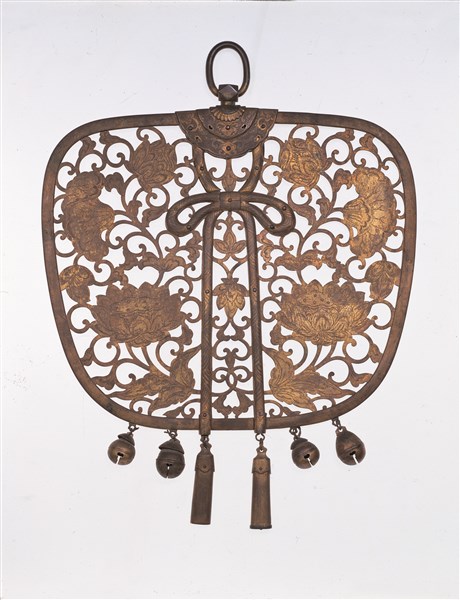
Keman Ornament with Lotus and Karakusa Vining Design